


### Blog Post:
Sensory furniture for neurodivergent adults is transforming how people manage sensory processing differences at home and in workspaces. For adults with autism, ADHD, and related conditions, the right environment can help reduce sensory overload and improve daily comfort.
Key Takeaways
- Sensory furniture addresses real challenges faced by neurodivergent adults, but data on consumer preferences and outcomes remains limited.
- Effective solutions are highly personal, often requiring trial and error for the best fit.
- Despite strong clinical links to sensory processing differences, there is minimal research directly connecting specific furniture to improved daily function.
The Core Concept
Sensory furniture for neurodivergent adults is designed to meet the sensory processing needs unique to adults with autism, ADHD, sensory processing disorder, and related conditions. Unlike traditional furniture, these pieces aim to reduce sensory overload, support concentration, and provide comfort through elements such as tactile fabrics, motion, sound dampening, and weighted properties. Sensory challenges are highly prevalent in neurodivergent adults—studies estimate that between 53% and 95% of those with autism experience significant sensory issues [source]. For ADHD, research reveals pronounced differences in sensory sensitivity and sensation-seeking behaviors compared to the neurotypical population [source].
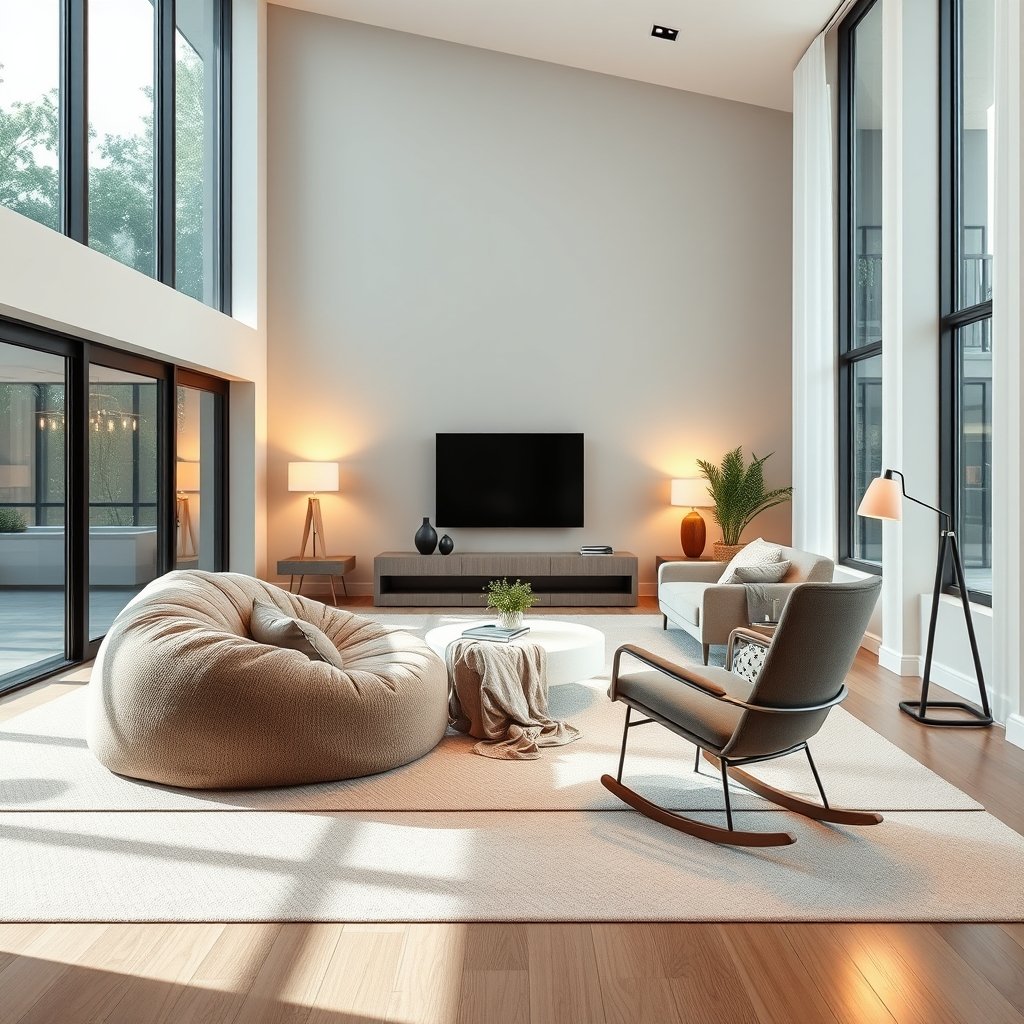
Despite the evident need, there is a distinct lack of direct research and market data about which features adult users most value, what works best, or how effective such furniture is at improving real-life outcomes. The selection process often involves trial, personal feedback, and adapting to what feels most comforting—highlighting gaps in the industry and leaving consumers reliant on anecdotal evidence and personal experimentation.
For a more detailed foundation on sensory processing and prevalence, check out this related resource: What Is Sensory Processing Disorder?.
If you’re interested in related adaptations for home office environments, be sure to read our guide on autism-friendly home office solutions, where we overview setups that work for neurodivergent adults.
Step-by-Step Guide
Optimizing your environment with sensory furniture requires a practical, step-by-step approach. Follow this process to maximize comfort and functionality:
- Self-Assessment. Note situations or environments that feel overwhelming or calming. Jot down which sensory modalities (touch, sound, movement) you seek or avoid. Consider using sensory checklists or logs for a few days for objective tracking.
- Research Product Options. Look for sensory sofas, bean bags, rocking chairs, or fidget stools. Seek out product specs that mention noise reduction, tactile covers, gentle rocking, or built-in weights.
- Prioritize Versatile Features. Choose furniture that is adaptable (e.g., modular sofas with washable covers, reconfigurable shapes). Consider features that allow you to control exposure—like sound dampening panels, adjustable firmness, or hidden movement options.
- Test the Furniture. If possible, visit showrooms or order products with a good return policy. Observe immediate comfort and whether the piece becomes more or less pleasant after extended use.
- Care and Maintenance. Favor easy-clean fabrics and replaceable covers, especially if tactile exploration is important to you. Review warranty and replacement part policies, since repeated use can increase wear.
- Evaluate and Adjust. After a trial period, reflect on whether the furniture met your needs. Adjust placement, remove sensory triggers from the environment, or layer in additional aids like weighted blankets or noise-filtering drapes as needed.
For those also struggling with nighttime restlessness, our guide on calming bedroom ideas for adults with sensory needs is an excellent follow-up.
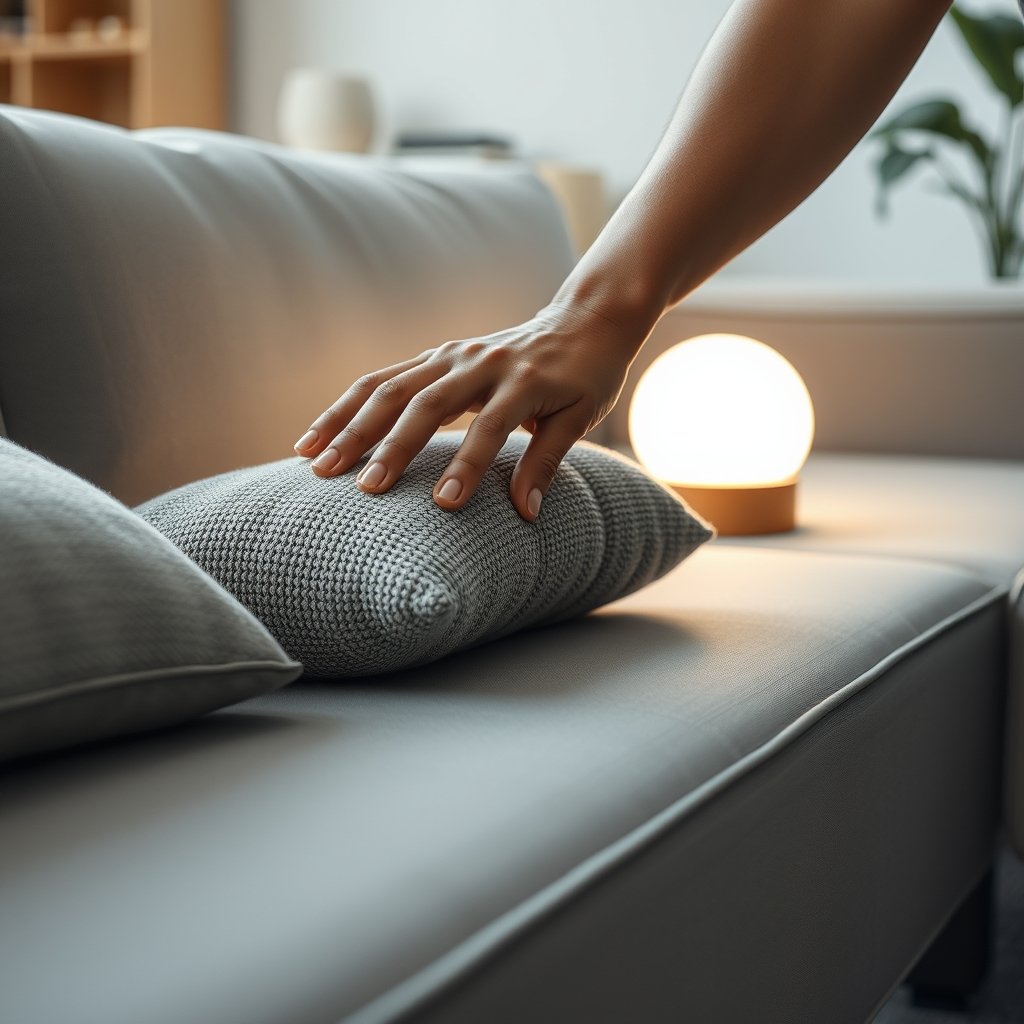
Remember, there’s no universal “best” chair or sofa for everyone. Preferences may also change due to aging, stress levels, or hormonal cycles—particularly for neurodivergent women [source].
Explore our resource on ADHD-friendly workspace products for more setup ideas tailored to at-work comfort.
Advanced Analysis & Common Pitfalls
Deciding on sensory furniture comes with unique challenges and potential drawbacks. Many adults report their sensory needs fluctuate, leading to inconsistent satisfaction with products over time. Here’s a realistic look at common pitfalls, plus a concise comparison of popular design elements:
| Feature | Potential Benefits | Common Problems |
|---|---|---|
| Weighted Elements | Provides calming pressure and body awareness | May cause overheating or discomfort if used too long |
| Rocking/Movement | Soothes sensory seekers, helps focus for ADHD | Motion can be distracting or cause dizziness to some users |
| Sound Dampening Foam | Limits noise, helps with auditory sensitivity | Minimal effect if environmental noise is severe |
| Tactile Fabrics | Comforting textures, customizable feels | Some fabrics trigger discomfort or skin irritation |
| Fidget-Friendly Design | Increases attention and calms restlessness | May draw unwanted attention in shared spaces |
Despite valid sensory science, almost no clinical studies examine how adult-specific sensory furniture affects focus, mental health, or relationships at home or work [source]. Many products are designed for children and simply scaled up, which can miss important ergonomic and sensory nuances for adults.
Cost, aesthetics, and furniture durability are important. Sensory-specific products can be expensive, with unclear warranties or limited replacement options. Maintenance is another issue—weighted items and complex fabrics may be hard to clean and attract dust. Before investing, look for companies that offer trial periods or robust customer support.
For those looking for DIY approaches or integrating existing furniture, our DIY sensory room ideas for adults offers creative and budget-friendly solutions.
Conclusion
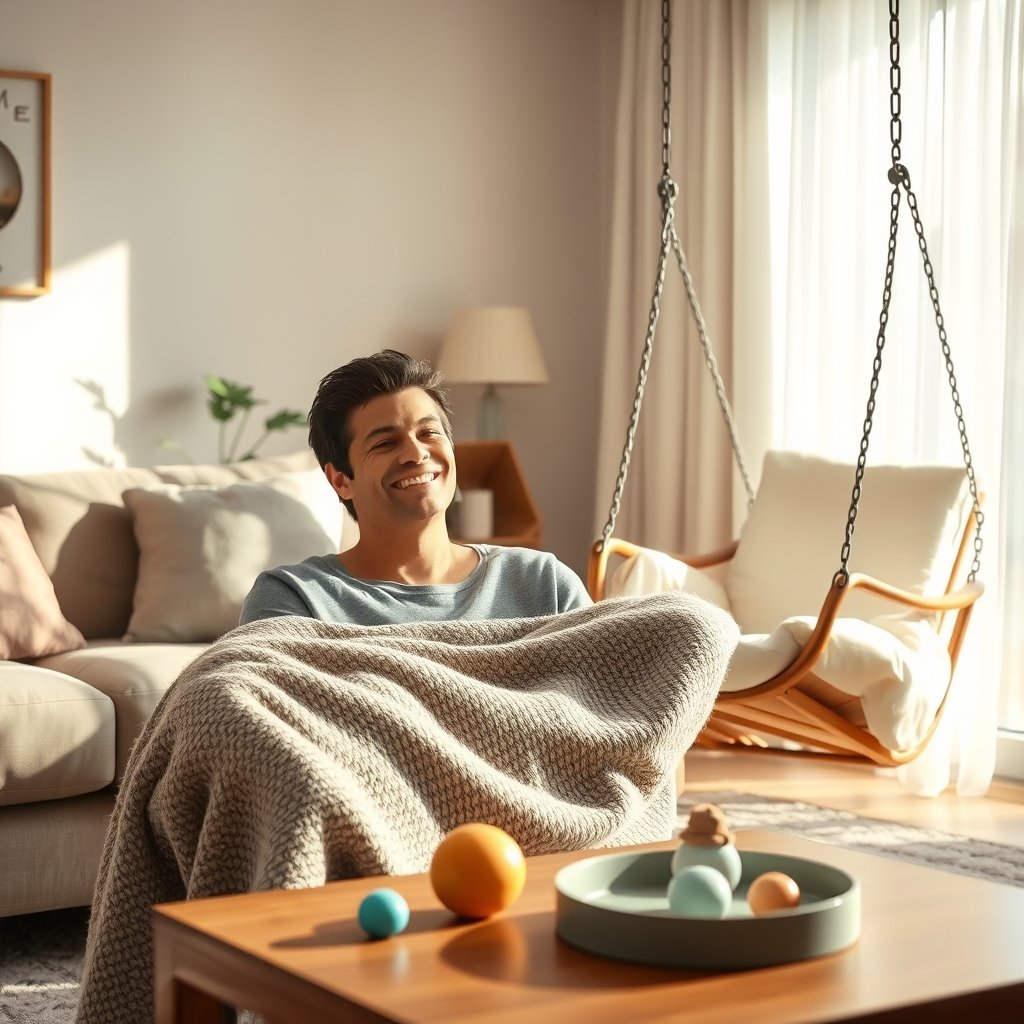
Sensory furniture for neurodivergent adults is an emerging area with significant potential, but both research and product development lag behind actual need. While clinical evidence supports the importance of modifying environments for sensory regulation, there is little direct proof that sofas or chairs specifically reduce overload or aid focus. As demands and awareness grow, options will expand—but for now, expect a degree of trial and customization.
Explore our curated list of top picks for sensory furniture to get started or learn more about making informed choices. Invest in solutions that empower—always centering your unique needs for comfort, control, and calm.
If you’re ready to take the next step in optimizing your space, check out the latest expert-designed autism-friendly furniture ideas and subscribe for future guides on sensory living.
Ready to rethink your comfort? Begin your journey today and experience the benefits of sensory furniture for neurodivergent adults in your own space.
FAQ Section
Is sensory furniture for neurodivergent adults supported by evidence?
While research shows sensory interventions can reduce stress and improve focus, direct studies on furniture’s effectiveness in adults are scarce. Individual results may require experimentation.
What features should I prioritize when choosing sensory furniture?
Focus on adaptable comfort—look for tactile fabrics, adjustable firmness, movement options, and sound dampening. Make sure materials are non-irritating and easy to keep clean.
Are there affordable sensory furniture options?
Yes, but pricing data remains sparse. Consider modular designs, DIY additions, or starting with individual sensory elements (like weighted lap pads) rather than full furniture sets.
Can neurotypical adults benefit from sensory furniture?
Absolutely. Many people, regardless of diagnosis, find sensory furniture soothing, especially for managing stress and improving comfort at home or work.
Where can I try before I buy?
Some occupational therapists, libraries, or neurodiversity centers lend out sensory equipment. Look for flexible return policies and businesses with trial periods.
—