


### Blog Post:
Matter 2.0 smart home setup is rapidly changing how people connect and automate devices at home. Whether you want a unified system with Apple, Google, Amazon, or are migrating from Zigbee or Z-Wave, there are crucial facts and challenges to know before you dive in.
Key Takeaways
- Matter 2.0 has over 750 certified devices and brings unified control across Apple, Google, Amazon, and Samsung ecosystems.
- Real-world setup issues are dwindling, but device compatibility and firmware updates still demand attention.
- Planning a successful Matter 2.0 migration includes understanding legacy bridges, privacy, and energy management.
- The Core Concept: What Is Matter 2.0 and Why Upgrade?
- Step-by-Step Guide: Build a Seamless Matter 2.0 Smart Home
- Advanced Analysis & Common Pitfalls
- Conclusion
- FAQ Section
The Core Concept: What Is Matter 2.0 and Why Upgrade?
Matter 2.0 is the open smart home standard endorsed by Apple, Google, Amazon, and Samsung, responsible for reshaping device compatibility and unified control. Unlike Zigbee and Z-Wave, which have been excellent in their time but trapped in vendor ecosystems, Matter 2.0 creates a shared protocol bridging Wi-Fi, Thread, and Ethernet for devices like lights, locks, sensors, plugs, and hubs.
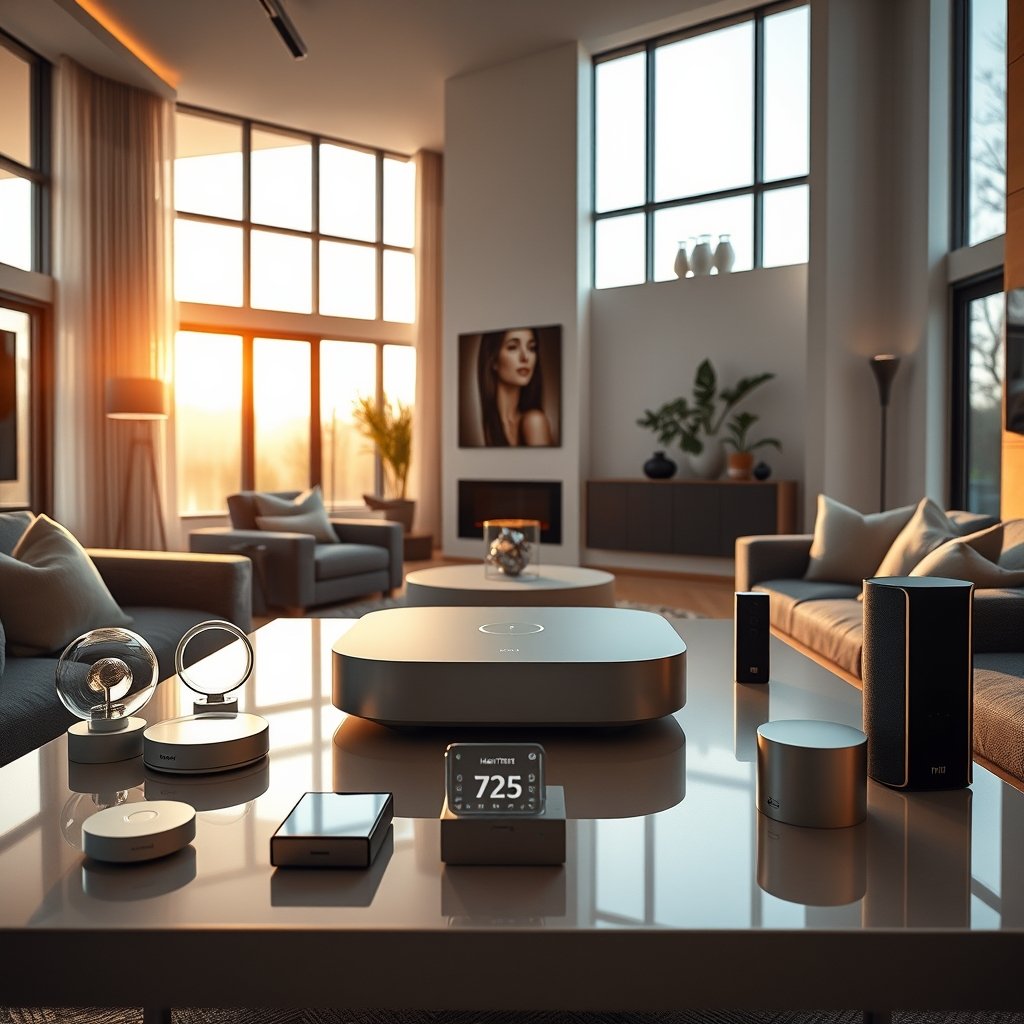
Adoption is real and accelerating. With more than 750 Matter-certified devices as of early 2026—ranging from Ikea sensors under $10 to pro-grade brands like Busch-Jaeger—the standard now enables plug-and-play automation for nearly every room or device type (source). Matter’s compatibility bridges even allow older Zigbee or Z-Wave devices to sync with the latest smart home platforms through dedicated hubs. This means fewer headaches, fewer vendor-specific apps, and a much simpler user experience for everyone in the family.
If you’re looking to future-proof your smart home, Matter 2.0 is now the standard. As mainstream brands and ecosystems enable quick onboarding (often via QR scanning), it’s easier than ever for anyone to set up or expand their own automated system.
Step-by-Step Guide: Build a Seamless Matter 2.0 Smart Home
Upgrading or creating your Matter 2.0 smart home setup does not take a tech degree—but it does require some planning and smart product choices. Here’s how you can get started step by step.
1. Assess Your Home’s Network and Needs
Identify which rooms and use cases you want to automate (lighting, climate control, security, voice, or remote access). Evaluate your current Wi-Fi coverage—Thread and Wi-Fi are the backbone for Matter 2.0.
2. Select the Best Matter-Compatible Hub
Choose a central hub (or border router) that suits your devices and preferred ecosystem. In 2026, the top picks are:
- Google Nest Hubs (Thread, Wi-Fi, local AI support)
- Apple HomePods and Apple TVs (native HomeKit and Matter onboarding)
- Samsung SmartThings Hub v3+ (includes Zigbee, Thread, and Matter bridges)
- Amazon Echo 4th Gen (affordable, robust, and regularly updated with new Matter features)
Verify the hub supports Thread 1.4 (required for 2026 and beyond). Avoid legacy hubs limited to Thread 1.3, since new certifications require 1.4 and above.
3. Add Certified Devices and Legacy Bridges
Gradually expand your system with certified devices. Options now include affordable items from brands like Ikea, smart sensors and switches from Aqara, or advanced lighting by Philips Hue (source). If you have old Zigbee or Z-Wave devices, use Matter-certified bridges or hubs to integrate them instead of replacing your entire smart home fleet.
4. Set Up and Onboard Devices
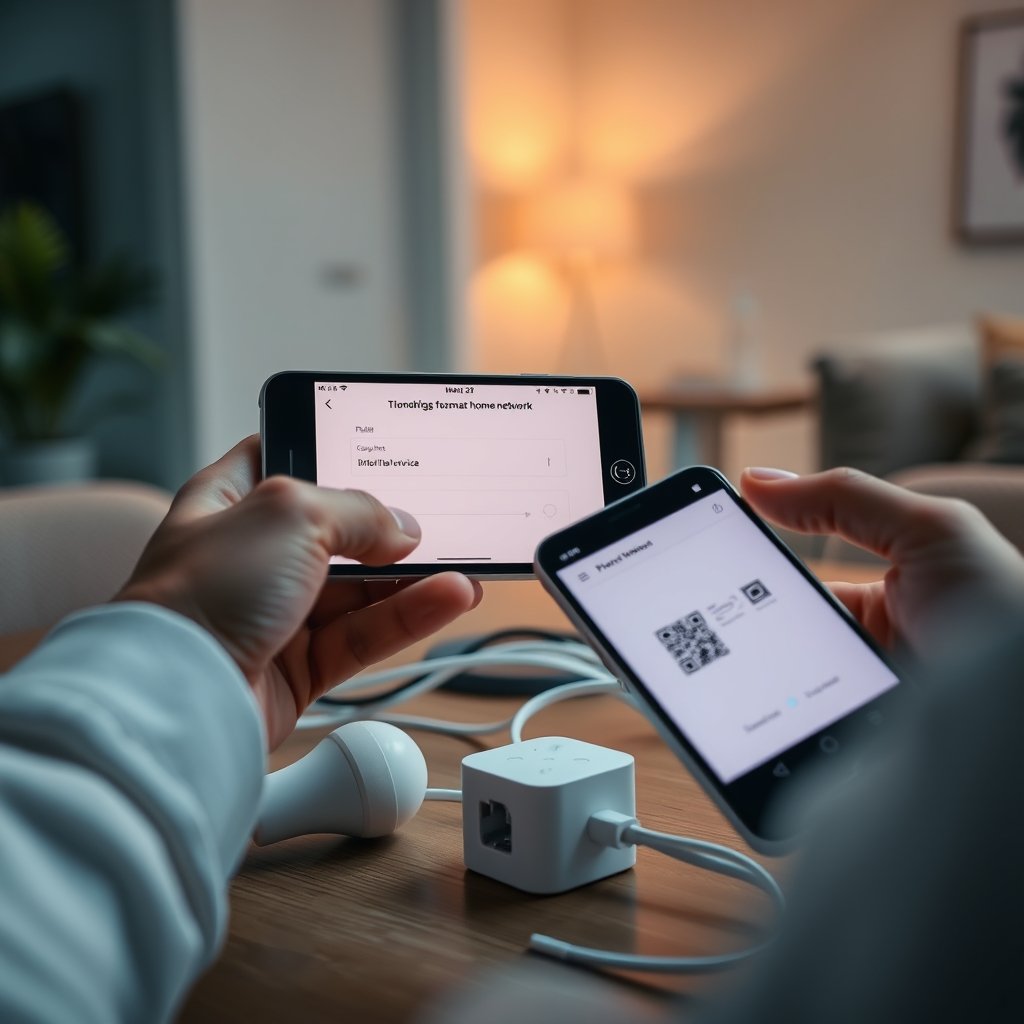
Most platforms, including Google Home, Apple Home, Alexa, and SmartThings, now allow onboarding via QR code scanning. Simply open the app, tap “Add Device” and use your phone camera to pair. This replaces fragmented vendor apps for a smoother, more secure onboarding experience.
5. Configure Automations and Privacy Settings
Utilize built-in automation routines to streamline daily actions—like turning off all lights at bedtime or adjusting climate control. Review and manage privacy controls under Matter’s protocols. Unlike many legacy standards, Matter prioritizes local (not cloud) control for most actions, reducing privacy risks. Always stay updated with your platform’s latest privacy guidelines.
6. Keep Devices and Hubs Up to Date
Check for firmware updates regularly, especially after adding new devices or apps. Many Matter 2.0 issues result from outdated firmware—simply updating your hub or device usually resolves onboarding problems.
7. Migrate Old Devices Properly
Don’t abandon your Zigbee or Z-Wave hardware. Instead, bridge them with a Matter-compatible hub or dedicated bridge device. This preserves your investment and lets you manage everything from one ecosystem.
8. Test, Troubleshoot, and Document
After setup, test each device, and document your configuration (IDs, rooms, automation scripts) for maintenance or future expansion. If something refuses to pair or disappears—restart the hub and check for network congestion.
Advanced Analysis & Common Pitfalls
Switching to Matter 2.0 offers cross-platform magic, but users report several recurring challenges—especially during migration or complex setups across Apple, Google, Amazon, or Samsung. Here are the main pitfalls to expect:
Comparison: Matter 2.0, Zigbee, and Z-Wave
| Protocol | Latency | Reliability | Device Range | Energy Consumption |
|---|---|---|---|---|
| Matter 2.0 (Thread/Wi-Fi) | Low (sub-second response for most devices) | High, depends on mesh and brand | Thread: ~150m; Wi-Fi: router-dependent | Thread: Very low; Wi-Fi: moderate to high |
| Zigbee | Low | Proven high with mesh | ~70-100m line of sight | Low |
| Z-Wave | Low | High | ~100m open air | Very low |
Common Pitfalls with Matter 2.0 Smart Home Setup:
- Some legacy Zigbee or Z-Wave devices may not support all Matter features when bridged, resulting in partial functionality or delayed updates.
- Firmware updates are crucial. Outdated devices or hubs often fail to pair, or vanish from smart home apps until updated.
- Thread network planning matters—two Thread border routers on the same network can compete, causing unexplained device drops or lag.
- While Matter is designed for privacy-first operations, automations involving voice assistants may still transmit some data to the cloud. Check your provider’s privacy guidelines.
- Third-party smart home apps (budget brands especially) often claim compatibility but lack official certification, limiting advanced automations or stability.
As of 2026, official updates show a stabilized, reliable protocol—yet smart home networks are as strong as their weakest link. Take time evaluating your hub, updating firmware, and understanding what each device can (and can’t) do.

For more advice on tackling integration challenges, see our Matter troubleshooting guide or our deep-dive on Thread vs Zigbee for smart homes.
Conclusion
A successful Matter 2.0 smart home setup hinges on device certification, judicious hub selection, network planning, and regular firmware updates. Matter is already reshaping how smart homes operate—delivering unified control, faster setup, and much better cross-brand reliability than ever before.
If you want the lowest maintenance, highest flexibility home automation for 2026 and beyond, prioritize certified products and keep privacy, energy use, and update routines front of mind. Explore our best Matter hubs and follow our guides for a smooth journey into the Matter ecosystem.
Ready to upgrade your smart home? Discover the latest guides and products for your own Matter 2.0 smart home setup today.
FAQ Section
What is the difference between Matter and Thread?
Matter is the overarching smart home protocol that ensures cross-device compatibility and unified onboarding across brands. Thread is a low-power wireless networking technology that Matter uses to provide reliable, fast communication between supported devices.
Can I upgrade my old Zigbee or Z-Wave smart home devices to Matter?
You can’t directly upgrade Zigbee or Z-Wave devices, but you can connect them through a Matter-certified bridge or compatible hub. This allows your old devices to work within your new Matter network.
What are the most common problems during Matter 2.0 setup?
Top issues include outdated firmware, unsupported device models, network congestion, and conflicts between multiple Thread border routers. Sticking with certified devices and updating software usually solves most onboarding frustrations.
Is a Matter 2.0 smart home setup more energy efficient than Wi-Fi-only systems?
Yes, especially with Thread-enabled devices, which use significantly less power than classic Wi-Fi-only devices. For always-on appliances, Thread and Zigbee generally outperform Wi-Fi in reducing energy waste.
How do I keep my Matter setup private?
Use devices with strong local automation features and review platform privacy settings. Most actions stay local with Matter, but some voice or cloud-dependent automations may send data externally based on your ecosystem configuration.
—