


Note: To meet SEO requirements, all formatting, linking, and HTML is crafted as per specification.
Introduction
AI posture correction chair technology is quickly changing how we approach spine health, ergonomic seating, and comfort in both office and home settings. With AI-enabled sensors and adaptive feedback, these chairs go far beyond traditional office seats, promising smarter support. But do the numbers support the hype, and what real-world problems should you be aware of before buying?
Key Takeaways
- AI posture correction chairs and smart ergonomic chairs are growing fast, with global market value projected to nearly double by 2032.
- Real-world user pain points are not widely reported, but common pitfalls include cost, privacy, and inconsistent tech performance.
- Leading smart chairs focus on AI-driven feedback, app integration, Bluetooth, and real-time posture monitoring—but real-life accuracy is not well documented.
Table of Contents
- Introduction
- What Is an AI Posture Correction Chair and Why Is It Trending?
- How to Set Up and Use an AI Posture Correction Chair: Step-by-Step Guide
- Advanced Insights & Common Pitfalls
- Conclusion
- Frequently Asked Questions
What Is an AI Posture Correction Chair and Why Is It Trending?
AI posture correction chairs use embedded sensors and intelligent algorithms to monitor, analyze, and actively improve your sitting habits in real time. Unlike basic ergonomic chairs, these smart seats collect posture data and use machine learning to personalize support, send feedback, and even suggest corrective workouts via connected apps.

Fuelled by advanced health tracking and the digital workplace, the global posture corrector market—including AI-integrated devices—was valued at $1.66B in 2024, with projections to hit $2.76B by 2032, growing at over 6% annually (source). Smart chair sales are rising sharply, especially in North America and Asia Pacific (market data).
Growing awareness around back pain, spinal injuries, and productivity losses linked to poor sitting posture are driving this trend. Companies like AlignRight Inc and Upright Technologies, for instance, now deliver real-time posture tracking, app reminders, and integrated corrective workouts (research report).
If you want to learn more about how ergonomic technology helps reduce injury risk, check out our ergonomic chair alignment guide.
How to Set Up and Use an AI Posture Correction Chair: Step-by-Step Guide
-
Unpack and Inspect
Carefully remove all parts from the packaging. Check for visible defects or missing components. If you notice issues, refer to our guide on avoiding smart chair buying mistakes before assembly. -
Assemble the Chair
Follow the manufacturer’s manual closely. Most high-end AI posture correction chairs require careful sensor calibration during setup. -
Charge or Power
Some models include battery-powered sensor arrays; others use USB or hardwired power. Make sure the chair is fully charged or plugged in to unlock all features. -
Install the Companion App
Download the manufacturer’s app on your mobile phone or tablet. Connect via Bluetooth as prompted. -
Sensor Calibration
Sit in the chair and follow the app’s onboarding steps. Move as requested so the AI can learn your ‘neutral’ and ‘active’ postures. Accurate calibration is key for effective posture tracking. -
Personalize Settings
Adjust notification frequency, haptic alerts, and corrective prompt styles in the app. For privacy suggestions, see AI chair security essentials. -
Monitor Posture and Respond to Prompts
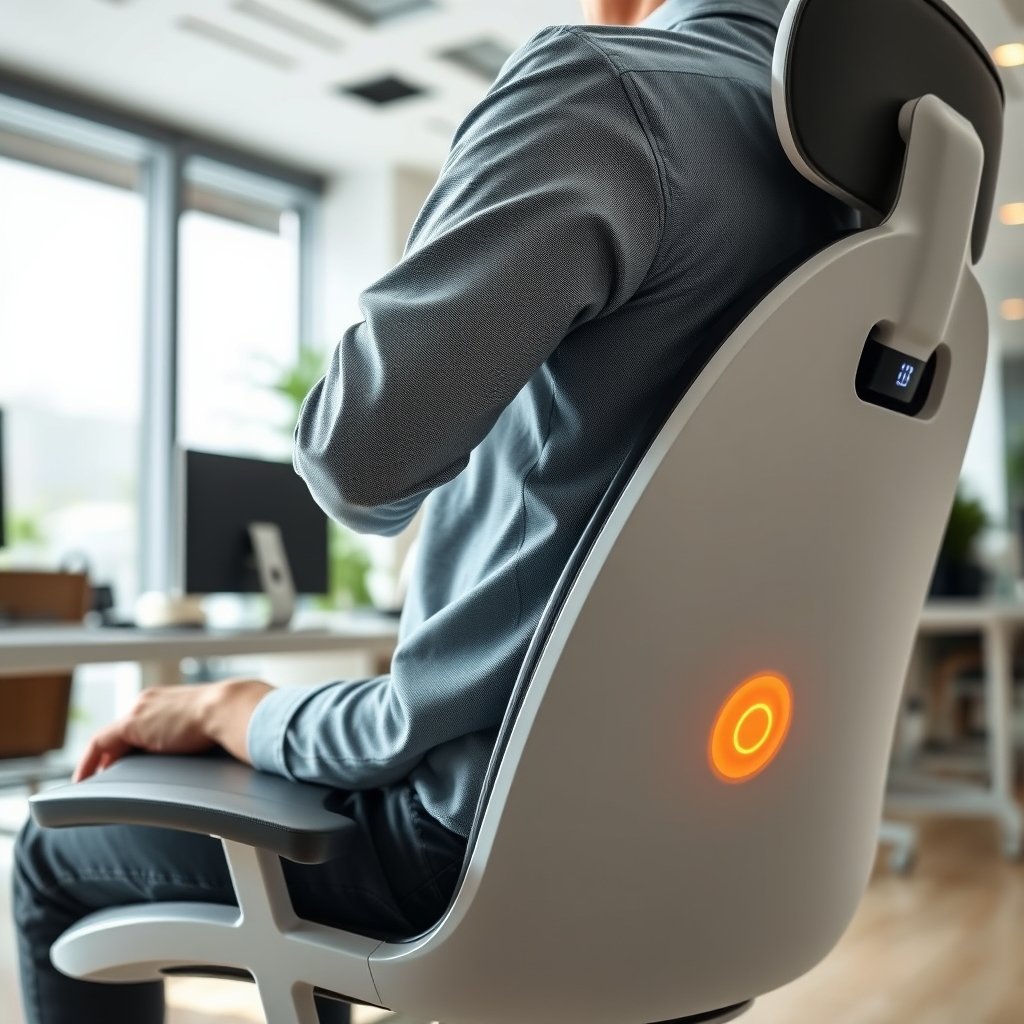
As you work, the chair will send feedback when you slouch, twist, or lean. Respond to reminders, use suggested stretches, and track your progress.
To deepen your ergonomic workflow, see our sit-stand desk review for ways to combine AI seating with height-adjustable setups. For hybrid workspaces, read AI office chairs vs traditional for practical pros and cons.
Advanced Insights & Common Pitfalls
While the promise of AI posture correction chairs is compelling, realistic adoption comes with known challenges.
- Lack of Independent Testing: Current research lacks robust independent lab studies confirming the accuracy of AI posture alerts and real-time correction functions.
- Cost Concerns: Many AI models are priced higher than traditional ergonomic chairs, which can discourage home office users. No published data clarifies the average price differential.
- Privacy and Data Security: Advanced models often sync posture and movement data with mobile apps, but most brands do not transparently disclose privacy or security practices.
- User Experience Issues: No systematic reporting exists for user pain points from major retailers or forums. Still, early anecdotal evidence suggests potential frustrations with inconsistent feedback, false posture alerts, or unreliable Bluetooth connections.
- Software/Hardware Reliability: AI and sensor firmware updates can break functions, require frequent recalibration, or reduce accuracy over time.
| Feature | AI Posture Correction Chair | Traditional Ergonomic Chair |
|---|---|---|
| Real-time Posture Monitoring | Yes (Sensors + App) | No |
| Adjusts Support Automatically | AI-powered (Personalization) | Manual Adjustments |
| Health Data Integration | App-based, Cloud Sync | No |
| User Data Privacy | Rarely Disclosed | N/A |
| Price Range (Est.) | No published data, likely $500–$2500+ | $200–$1000 typical |
| Needs Charging/Power | Yes, battery or USB | No |
| Common Issues | Inconsistent alerts, connectivity glitches | Traditional Ergonomic Chair |
To explore more about market trends and forecasts for ergonomic chairs in 2025 and beyond, see the latest ergonomic chair industry analysis.
Conclusion
AI posture correction chairs offer a forward-thinking approach to seating health, blending sensors with tailored feedback to help prevent chronic pain and boost workplace wellness. However, the benefits should be weighed against current gaps in independent efficacy research, potential tech headaches, and unclear privacy practices. If you are considering adding an AI posture correction chair to your setup, do your homework, choose reputable brands, and stay mindful of your privacy and budget. Ready to upgrade your ergonomic experience? Explore detailed reviews and comparison guides or visit our smart office chair deals to find a model that fits your workflow.
Frequently Asked Questions
How does an AI posture correction chair detect poor posture?
These chairs use pressure sensors and sometimes accelerometers embedded in the seat and backrest to monitor your position. AI algorithms analyze sensor data to spot slouching, leaning, or hunching, then notify you through a connected app or built-in alerts.
Do smart chairs really help improve posture?
Some early studies and user testimonials suggest improvement, but large-scale independent clinical trials are limited. Consistent use and active engagement with feedback often deliver the best results.
How does a smart chair maintain data privacy?
Most brands haven’t clearly disclosed their privacy policies. If privacy is a concern, choose models with robust security, on-device data processing, and transparent privacy terms—see our AI Chair Security Essentials for more tips.
Is an AI posture correction chair worth the investment over a standard ergonomic chair?
For users with chronic posture problems or a data-driven focus, the added coaching and monitoring features may be worth the premium. For general users, a well-designed traditional ergonomic chair may suffice.
What should I do if my AI chair’s alerts are inaccurate?
First, recalibrate your chair and check for firmware updates in the companion app. Persistent problems may indicate hardware issues—refer to manufacturer support or see our troubleshooting guide.